
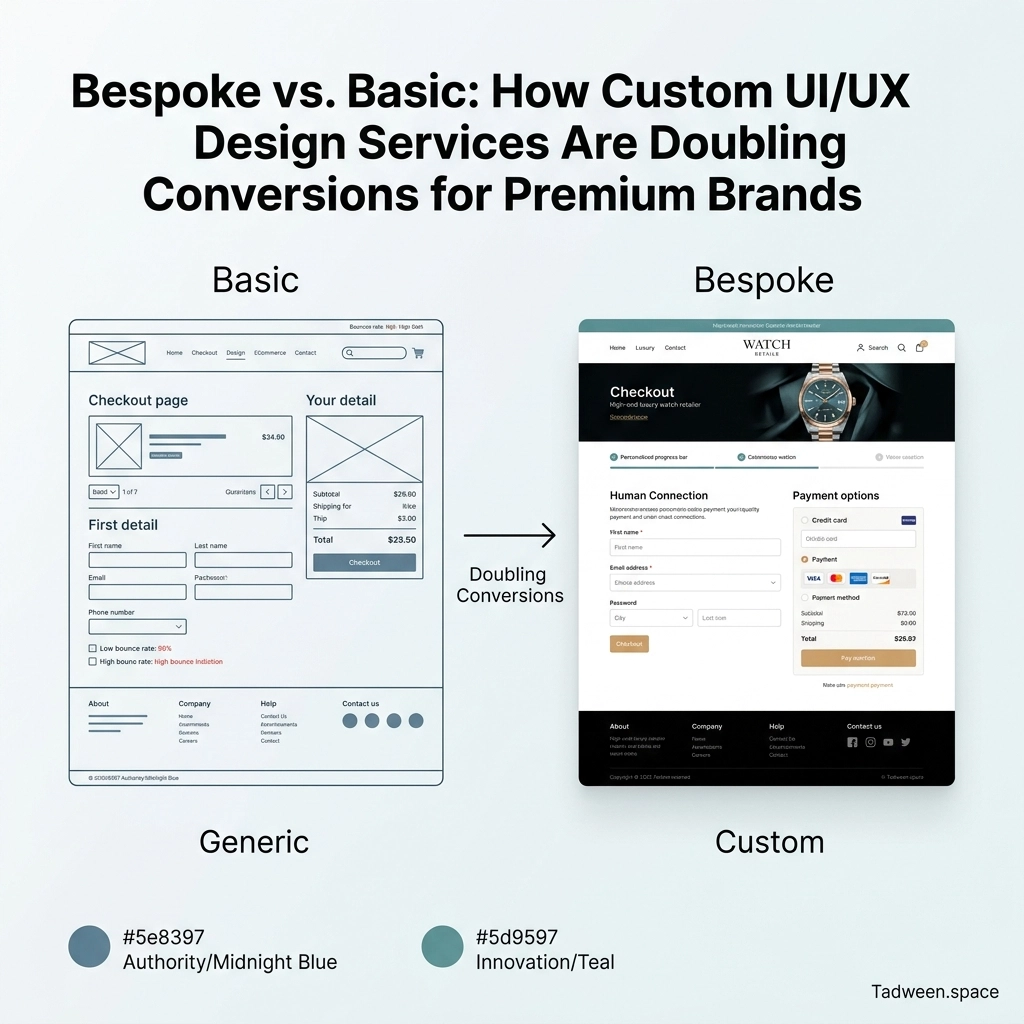
The High Stakes of Digital Presence in Dubai’s Luxury Market
Begin by acknowledging the reality of the 2026 digital landscape: for premium brands in Dubai, your website is no longer just a catalog; it is your digital flagship. Start with the understanding that in a city synonymous with luxury and architectural marvels, a generic, template-based online store is the equivalent of opening a high-end boutique in a cardboard box. This paragraph serves to establish the “why” behind the shift toward bespoke solutions, framing the conversation around the expectations of a sophisticated local clientele.
As you move toward analyzing the current market, realize that luxury consumers in the UAE demand more than just functionality. They seek an experience that mirrors the white-glove service they receive at the Dubai Mall or the Burj Al Arab. When you choose a basic template, you are inherently limiting your brand to the same visual and functional language as thousands of other businesses. This is where the conversion gap begins. This section highlights the necessity of custom website development as a foundational tool for differentiation and prestige.
“True luxury is not about being noticed, it is about being remembered. In the digital realm, remembrance is built through bespoke experiences that anticipate the user’s every need before they even realize it.”
The Template Trap: Why Basic Solutions Fail Premium Retailers
This section serves as a deep dive into the limitations of “off-the-shelf” solutions. While templates are often marketed as cost-effective and fast, you must recognize them for what they truly are: rigid frameworks built for the average user, not the exceptional one. In the context of ecommerce website development Dubai, a template often carries “bloatware”: excessive code that slows down page loading times. Even a one-second delay can lead to a significant drop in engagement, a risk no premium brand can afford.
Use this space to elaborate on the psychological impact of “cookie-cutter” design. When a high-net-worth individual lands on a site that feels familiar: in a generic, uninspiring way: the perceived value of your products immediately drops. You are inadvertently signaling that your brand is “standard” rather than “special.” This is why many are asking: Are cookie-cutter e-commerce templates dead? The answer lies in the friction points templates create, from clunky navigation to checkout processes that feel disconnected from the brand’s identity.

The Science of Conversion: How Bespoke UI/UX Design Services Work
Now, pivot to the instructional core of the post by explaining how ui ux design services actually double conversions. Unlike templates, which force your content into a pre-set box, bespoke design starts with the user’s journey. Begin by mapping out the specific path your customer takes, from the moment they discover your brand to the final “thank you” page. This intentionality is the secret sauce of high-converting platforms.
In a custom environment, every element is a strategic choice. This includes:
- Visual Hierarchy: Guiding the eye toward high-value items using custom animations and layout structures.
- Reduced Friction: Streamlining the path to purchase based on local user behavior in Dubai.
- Emotional Resonance: Using unique typography, bespoke imagery, and interactive elements that reinforce your brand story.
By eliminating the generic and focusing on the specific, custom designs guide visitors naturally toward action. Research shows that while a basic template might convert at 1-2%, bespoke platforms often see these numbers double or triple because the interface feels intuitive and trustworthy. You can learn more about this strategic approach in our ultimate guide to UI/UX for startups.
Real-World Gains: From Generic to Extraordinary
Use this section to provide concrete examples of how design decisions impact the bottom line. Consider the global retailer ASOS, which famously streamlined its checkout process by removing the mandatory account creation step. This single, custom design decision reduced cart abandonment by a staggering 50%. In another instance, the platform WikiJob saw a 34% increase in conversions simply by strategically placing customer reviews where they would have the most psychological impact: a feat often restricted by the rigid layouts of basic templates.
For a Dubai-based retailer, this might mean integrating local payment innovations or designing a bespoke “concierge” chat feature that feels personal rather than automated. The goal is to show that custom development trumps templates because it allows for these granular, high-impact optimizations. When you own the code and the design, you own the ability to iterate based on real data, rather than being stuck with what a theme developer thought was “good enough” three years ago.

Balancing Upfront Cost with Long-Term ROI
This paragraph addresses the elephant in the room: the investment. It is true that custom website development requires a higher upfront cost: often ranging from $10,000 to over $50,000 for complex luxury platforms: compared to a $50 template. However, you must frame this as a capital investment rather than an expense. A template is a depreciating asset that you will likely outgrow within 12 months, leading to a costly and disruptive redesign.
In contrast, a bespoke platform built with innovative web technologies is an appreciating asset. It scales with your business, handles higher traffic volumes without breaking, and maintains its premium feel for years. When you calculate the ROI of doubling your conversion rate over three years, the “expensive” custom route becomes, mathematically, the most cost-effective choice. It’s about building a digital flagship, not just an online shop.
Cultural Nuance and the Dubai Digital Identity
Dubai is a unique market where global luxury meets local tradition. A basic template rarely accounts for the nuances of the Middle Eastern market, such as right-to-left (RTL) language support that doesn’t just “flip” the site but redesigns the user flow for Arabic speakers. Bespoke ui ux design services allow you to craft an experience that respects these cultural nuances while maintaining a modern, innovative edge.
This is where your brand can truly shine by integrating “Buy-Now-Pay-Later” services and local payment gateways seamlessly into the UI, rather than having them look like clunky plugins. By focusing on the local market’s specific needs, you avoid the 7 common mistakes Dubai businesses make when trying to force a global template onto a local audience.
Conclusion: Summarize the Journey Toward Digital Excellence
To wrap up, reinforce the central theme that in the world of premium retail, “basic” is the enemy of growth. Summarize the key points: templates limit your brand, slow down your site, and ultimately cap your conversion potential. On the other hand, bespoke UI/UX design offers a tailored, frictionless, and high-converting experience that resonates with the luxury consumer.
As you look toward the future of your brand, ask yourself if your current platform reflects the quality of the products you sell. This is your chance to transition from a generic online presence to a client-centric website solution that creates a lasting impression. In Dubai’s competitive landscape, the move to custom is no longer a luxury: it is a strategic necessity for any brand that intends to lead the market.
Reflect on your brand’s goals for 2026. If doubling your conversions and solidifying your status as a premium leader are on the agenda, then the path is clear: move beyond the template and invest in a digital experience that is as unique as your brand. The transition to bespoke is an investment in your brand’s soul, ensuring that every click, swipe, and purchase is a testament to your commitment to excellence. For those ready to make the leap, Tadween Space is here to help craft your digital masterpiece.
Leave a Reply