
Every website you encounter online exists somewhere on a spectrum between factory-made and handcrafted. On one end, you'll find cookie-cutter templates that look like they were assembled on a conveyor belt. On the other, you'll discover digital experiences that feel like they were designed specifically for you: because they were. The difference isn't just aesthetic. It's the same distinction between a mass-produced print and an original painting.
This is where technology meets artistry, where code becomes canvas, and where intelligent solutions transform ordinary web presences into digital masterpieces.
The Craftsman's Approach to Digital Design
Begin by understanding that bespoke web development mirrors traditional craftsmanship more than you might expect. When a master woodworker creates a custom piece of furniture, they don't start with a generic blueprint. They study the space where it will live, understand how it will be used, and consider the personality of the person who'll interact with it daily. Every measurement matters. Every joint serves a purpose.
Web development, when done with genuine craftsmanship, follows this exact philosophy. You start by deeply understanding your client's business ecosystem: their customers' behaviors, their market positioning, their growth trajectory, and their unique challenges. This isn't about applying a pre-made solution and hoping it fits. It's about architecting something that feels inevitable, like it couldn't exist any other way.
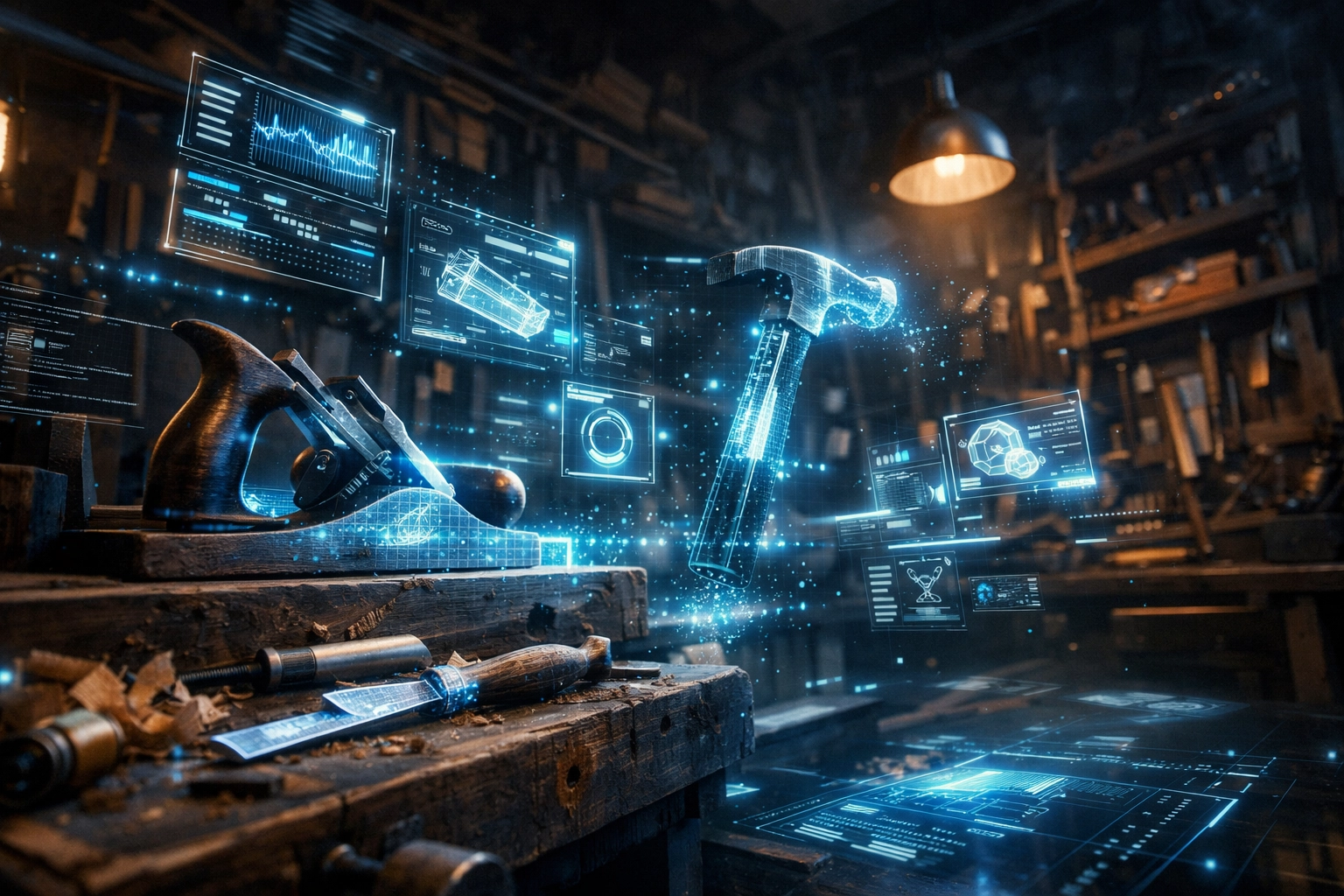
The digital craftsman's toolkit has evolved dramatically. Where traditional artisans worked with wood, metal, and stone, modern web developers work with responsive frameworks, intelligent algorithms, and adaptive user interfaces. But the mindset remains unchanged: create something that will stand the test of time, serve its purpose beautifully, and reflect the unique identity of its owner.
Where Intelligence Meets Intuition
As you move toward creating truly personalized digital experiences, you'll discover that intelligence isn't about automation: it's about augmentation. Intelligent solutions learn from user behavior, adapt to changing needs, and anticipate what comes next. They're the difference between a static brochure website and a living, breathing digital ecosystem.
Consider how AI-powered personalization now allows platforms to understand user preferences and adjust accordingly. A luxury fashion brand's website might recognize that a returning visitor prefers minimalist product displays and automatically adjusts the layout. An e-commerce platform learns which payment methods different demographics prefer and streamlines the checkout process accordingly.
This is where Tadween Space's approach differs from conventional web development agencies. We don't just build websites that look good on launch day. We architect intelligent systems that get smarter over time, learning from every interaction and continuously optimizing the user experience. Your website becomes a craftsman itself, constantly refining its approach based on real-world feedback.
The Art of Digital Composition
Use this understanding to frame how you approach visual hierarchy and user flow. Traditional artists spend years mastering composition: understanding how the eye travels across a canvas, where focal points should sit, and how negative space creates breathing room. Digital designers face the same challenges, but with added complexity: their canvas changes size, their audience interacts with it, and the "frame" could be anything from a smartwatch to a 4K display.
Blocking in your digital composition starts with establishing a clear visual hierarchy. What should capture attention first? How do you guide users naturally from one section to the next? Every element: from typography choices to whitespace allocation: either reinforces or undermines your intended message. This is your chance to create rhythm and flow that feels effortless, even though achieving that effortlessness requires meticulous planning.
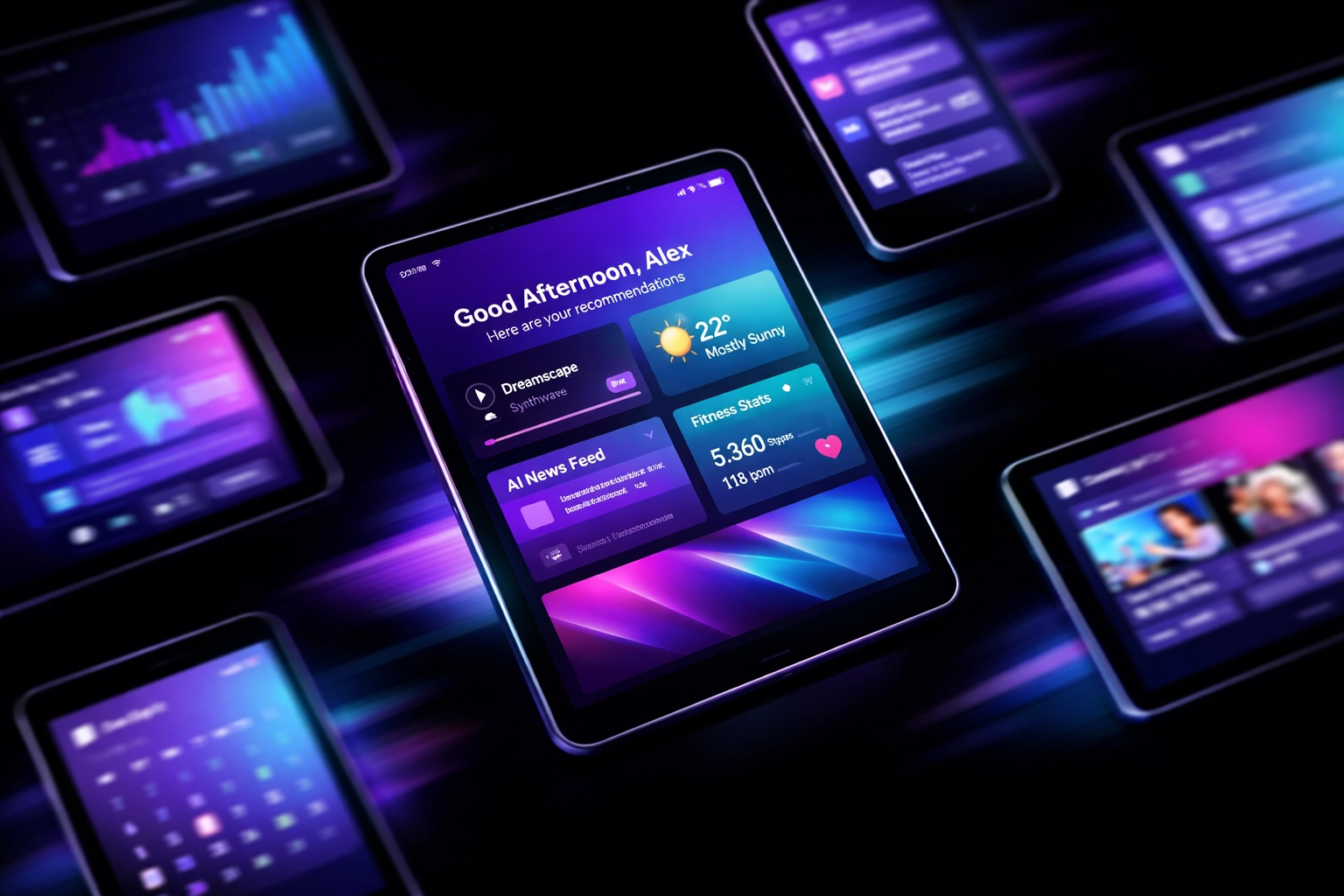
Modern tools like ControlNet and image-to-image transformation have revolutionized how designers prototype and iterate. You can now sketch a rough layout concept and transform it into a fully rendered mockup in minutes. But the technology only amplifies your vision: it doesn't replace the need for that vision in the first place. The craftsman still needs to know what they're trying to build.
Personalization as Cultural Intelligence
This is where many agencies stumble. They treat personalization as a technical checkbox rather than a cultural imperative. When you're designing for Dubai's diverse market: where your audience might include Emirati entrepreneurs, European expatriates, and Asian investors: one-size-fits-all solutions fail spectacularly.
Cultural authenticity in web design means understanding that colors carry different meanings across regions. White symbolizes purity in Western contexts but mourning in some Eastern cultures. Red signals danger in some markets and prosperity in others. Layout preferences vary too: some cultures prefer dense, information-rich pages while others favor minimalist approaches with abundant whitespace.
Intelligent personalization systems can detect user preferences through location data, language settings, and browsing behavior, then adjust the experience accordingly. A financial services platform might emphasize different service offerings based on regional banking preferences. A real estate portal could prioritize property features that matter most to specific demographic segments.
"True personalization isn't about showing everyone something different. It's about showing everyone what matters most to them."
Your goal isn't to create separate websites for separate audiences. It's to build a single, intelligent platform that adapts its presentation while maintaining brand consistency. Think of it as a skilled diplomat who can speak multiple languages while representing the same message.
The Technical Foundation of Artistry
Elaborate on how modern web technologies enable this level of craftsmanship. Headless CMS architectures separate content from presentation, allowing the same information to flow seamlessly across multiple touchpoints: website, mobile app, smartwatch, voice assistant: while maintaining consistent quality. Advanced frameworks enable complex animations and interactions that feel native to each platform.
This technical sophistication isn't visible to end users, and that's precisely the point. The best craftsmanship is invisible. Users should feel like everything just works, like the interface understands them intuitively. Behind that effortless experience lies hundreds of decisions about architecture, performance optimization, accessibility standards, and progressive enhancement.
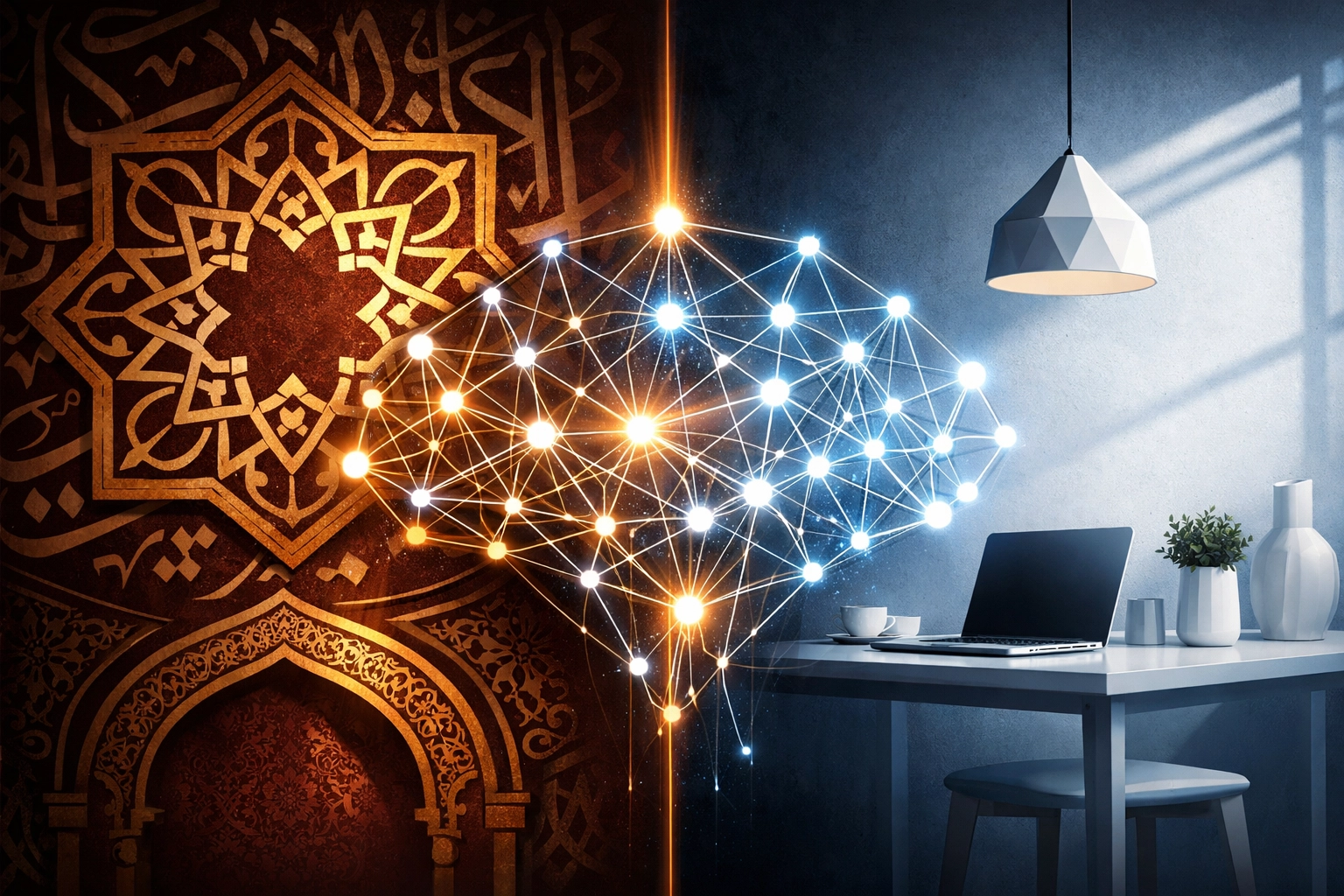
Layer in machine learning capabilities and your digital masterpiece becomes predictive. E-commerce platforms can anticipate inventory needs based on browsing patterns. Content sites can surface relevant articles before users even search for them. Service platforms can streamline workflows by learning which features each user segment actually uses versus which they ignore.
From Concept to Living Platform
As you move toward implementation, understand that launching a bespoke website isn't the end of the journey: it's the beginning. This is where intelligent solutions truly prove their value. A well-crafted digital platform includes built-in analytics that go beyond counting visitors. It tracks engagement patterns, conversion funnels, abandonment points, and satisfaction signals.
These insights feed back into the design process, creating a continuous improvement loop. You notice that mobile users drop off at a specific form field? Redesign it. A particular audience segment engages heavily with video content? Produce more. Your platform becomes self-aware, constantly evolving based on real-world performance rather than assumptions.
Maintenance isn't about fixing what breaks: it's about systematic enhancement. Regular updates keep security tight, performance optimal, and features fresh. But more importantly, they allow your digital masterpiece to grow alongside your business. As your company expands into new markets or launches new services, your website adapts accordingly without requiring a complete overhaul.
Building Your Digital Legacy
Keep your focus on longevity. Template-based websites have a shelf life measured in months before they start looking dated. Bespoke solutions, when built with intelligent architecture, remain relevant for years. They're designed to accommodate future technologies you haven't even imagined yet.
This forward-thinking approach requires partnership between client and developer. You need to share not just what your business is today, but where you're planning to take it. What markets are you eyeing? What services might you add? How do you want customers to feel when they interact with your brand? These conversations shape the foundation on which everything else is built.
The investment in bespoke development pays dividends that compound over time. You're not just buying a website: you're commissioning a digital asset that appreciates in value as it learns, adapts, and grows with your business. Every interaction makes it smarter. Every update makes it more refined. Every year increases the gap between your digital presence and your competitors' off-the-shelf alternatives.
Creating Meaningful Connections
Conclude by recognizing that technology, no matter how sophisticated, serves a fundamentally human purpose. Your website exists to create connections: between your brand and your customers, between your vision and its realization, between what you offer and what people need.
This is what separates digital craftsmanship from digital manufacturing. When you approach web development as an art form, you create experiences that resonate emotionally while functioning flawlessly. Users might not consciously notice the dozens of micro-interactions you've perfected or the intelligent personalization working behind the scenes. But they'll feel it. They'll sense that this platform was built with care, that it respects their time, and that it genuinely serves their needs.
That feeling: that sense of being understood and valued: is what transforms one-time visitors into loyal advocates. It's what makes people choose your platform over competitors, even when the alternatives are cheaper or more convenient. It's the ultimate expression of craftsmanship in the digital age: creating something so well-suited to its purpose that it becomes indispensable.
Your digital masterpiece awaits. The question isn't whether you need a website: everyone has one. The question is whether yours will be mass-produced or handcrafted, whether it will follow trends or set them, whether it will serve your business adequately or transform it completely. The choice, as always, is yours to make.
Leave a Reply