
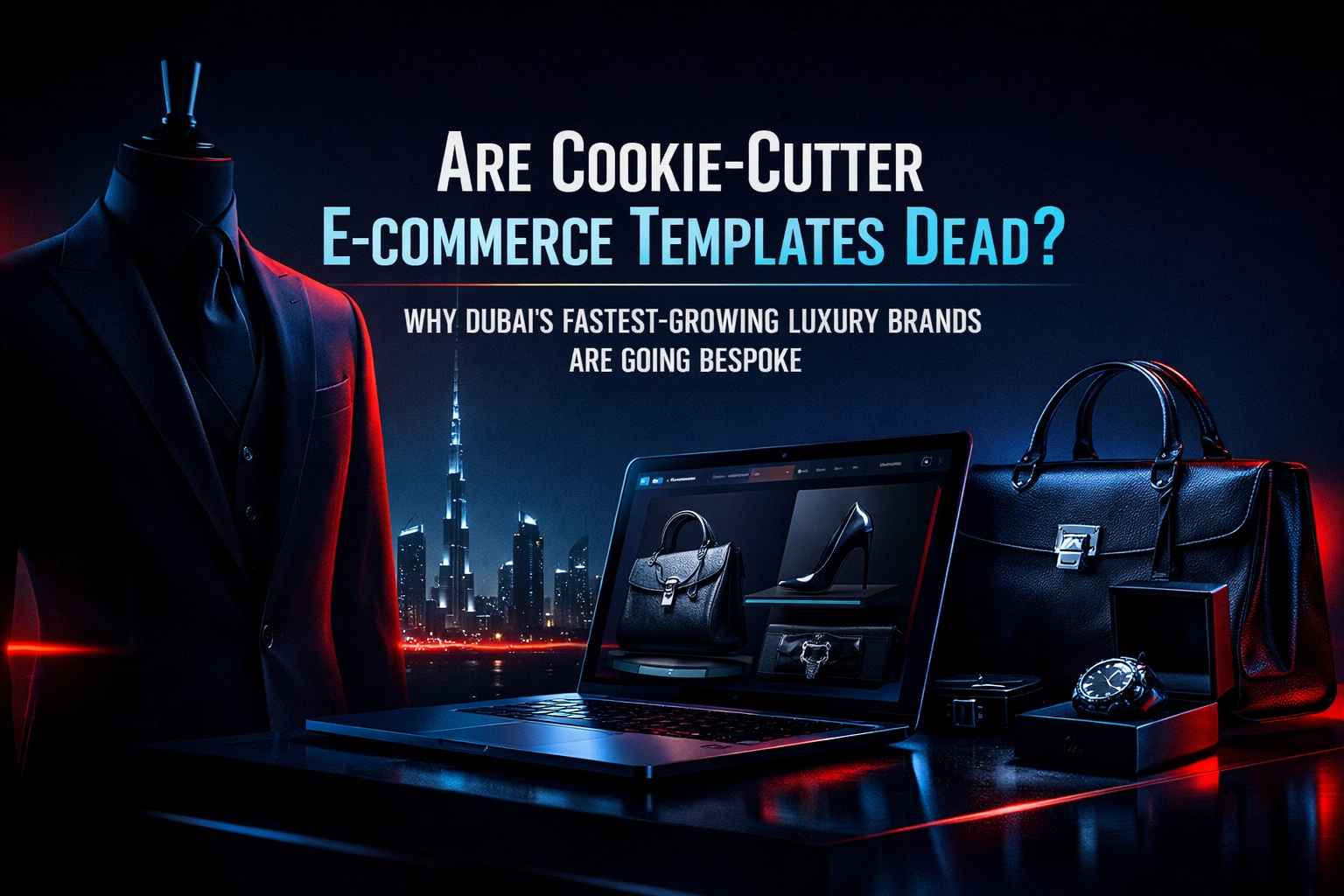
Walk into any luxury boutique in Dubai Mall or The Dubai Mall Fashion Avenue, and you'll notice something immediately: no two spaces look alike. Each brand has meticulously crafted an environment that reflects its identity, values, and positioning. Yet scroll through the e-commerce landscape, and you'll find high-end retailers still hiding behind the same Shopify theme their competitors use.
That disconnect is costing luxury brands millions in lost revenue.
The data tells a compelling story. Industry research shows that e-commerce businesses implementing personalization see average sales increases of 10–15%, while personalized product recommendations alone boost conversion rates by up to 8%. For premium brands operating in Dubai's competitive market, those numbers represent the difference between maintaining market share and getting left behind.
The Template Problem Nobody Wants to Talk About
Begin by understanding what's actually happening when you choose a pre-built template. You're not just selecting a design, you're adopting someone else's assumptions about how your customers should shop, what they value, and how they make purchasing decisions. For a luxury brand targeting affluent UAE shoppers, those assumptions are often catastrophically wrong.
Templates optimize for the average, but luxury retail has never been about average. Your high-net-worth customers expect seamless navigation, intuitive interfaces that anticipate their needs, and digital experiences that mirror the white-glove service they receive in physical stores. A cookie-cutter solution simply cannot deliver that level of sophistication.
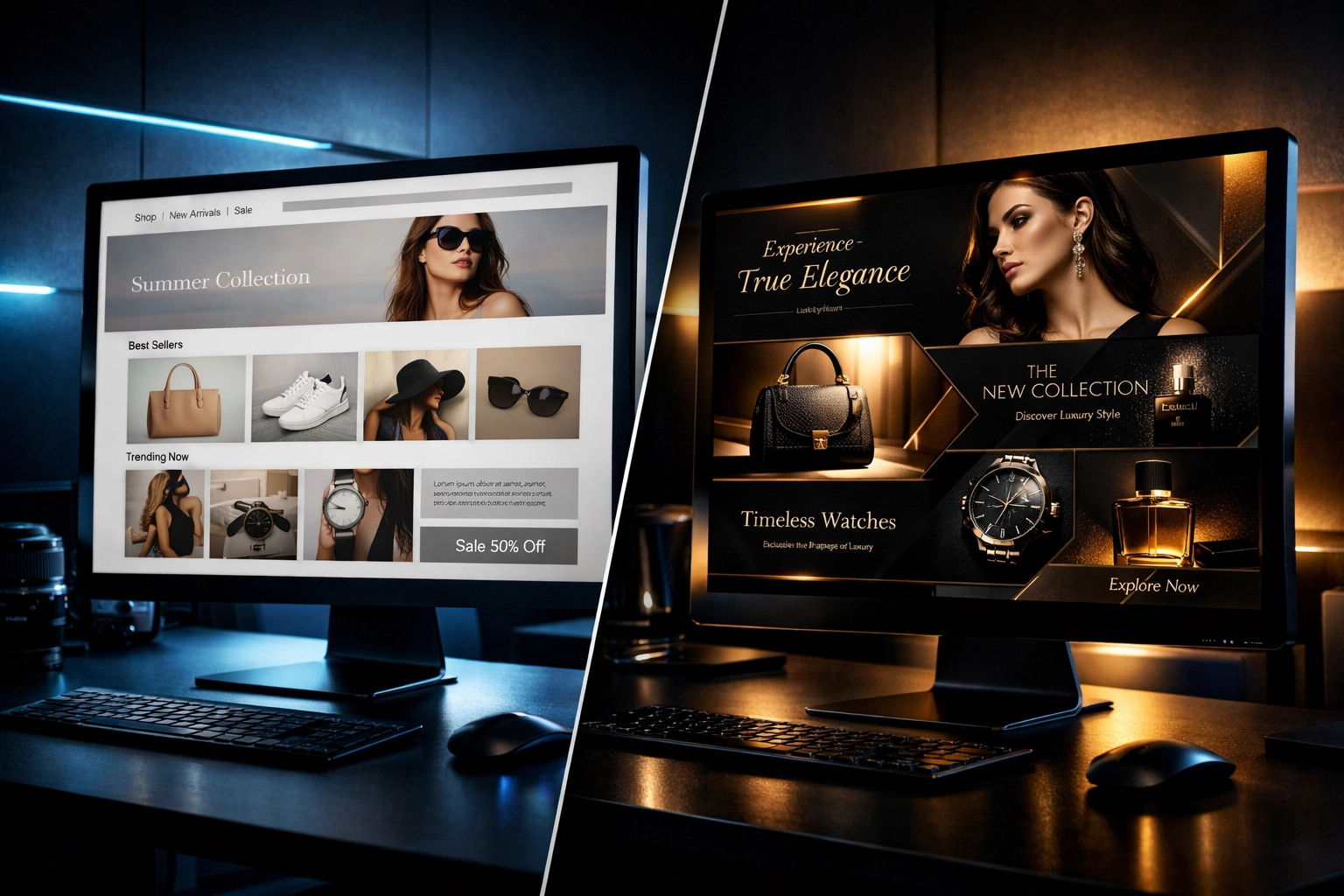
This is where custom website development becomes not just an investment, but a competitive necessity. When your digital storefront looks identical to a dozen other brands, you're competing on price rather than value, a battle no luxury retailer wants to fight.
The Bespoke Advantage: Real Numbers from Real Brands
Consider the transformation one premium brand achieved after abandoning their template-based approach. After implementing custom UI/UX design services tailored to their specific customer journey, they recorded a 26% increase in conversion rate, a 48% increase in orders, and a 17% increase in site visits. These aren't marginal improvements, they're business-defining results.
The mechanics behind these numbers reveal why bespoke solutions consistently outperform templates. Custom platforms allow for intelligent user flows based on actual customer behavior data, not generic best practices. They enable dynamic personalization that responds to browsing patterns, purchase history, and even time of day. They create seamless integrations with inventory systems, CRM platforms, and customer service tools that templated solutions struggle to accommodate.
For Dubai's luxury market specifically, custom development addresses critical regional considerations that templates overlook. Currency flexibility that seamlessly handles AED, USD, and EUR. Cultural sensitivity in visual design and messaging. Integration with local payment preferences including regional buy-now-pay-later options and preferred digital wallets. Mobile-first experiences optimized for the UAE's 99% smartphone penetration rate.
Breaking Free from Rigid Frameworks
Web design trends for 2026 signal a decisive shift away from template uniformity. The industry is embracing asymmetry, dynamic layouts, and custom design approaches that deliberately break the "cookie-cutter template" feel. This evolution reflects what luxury consumers have been demanding all along: digital experiences that feel crafted specifically for them.
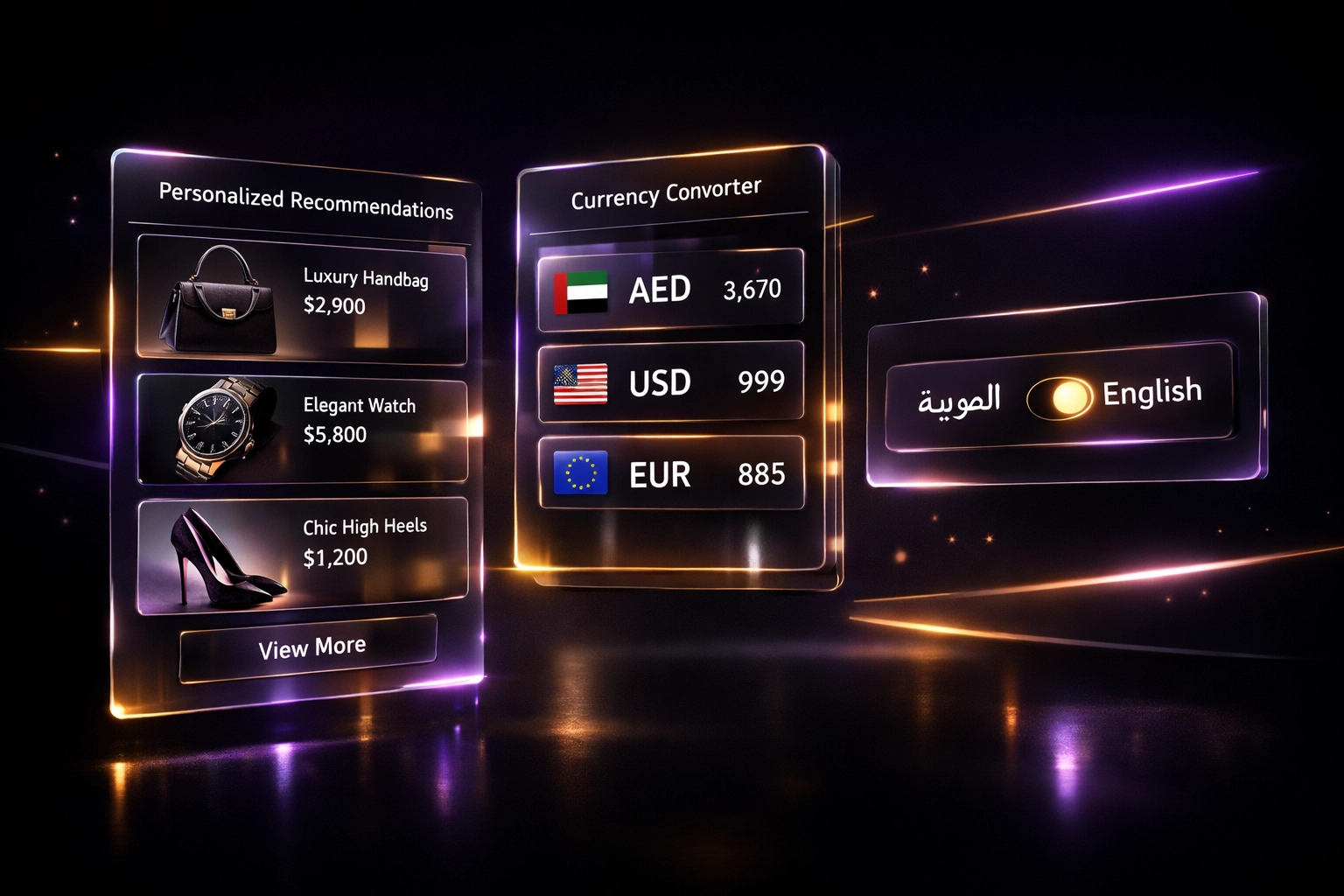
Headless commerce architecture exemplifies this transformation. By decoupling front-end presentation from back-end functionality, brands gain unprecedented flexibility to create individualized shopping experiences while maintaining robust operational efficiency. This approach enables quicker page loads, critical when your customers expect instant gratification, and consistent omnichannel experiences whether they're shopping from their office in DIFC or their villa in Emirates Hills.
The technical advantages translate directly to business outcomes. Brands implementing headless architectures report reductions in manual order processing time by 50% or more through intelligent automation. They achieve faster time-to-market for new features and campaigns. Most importantly, they maintain complete control over their customer experience without being constrained by platform limitations.
Customization That Actually Converts
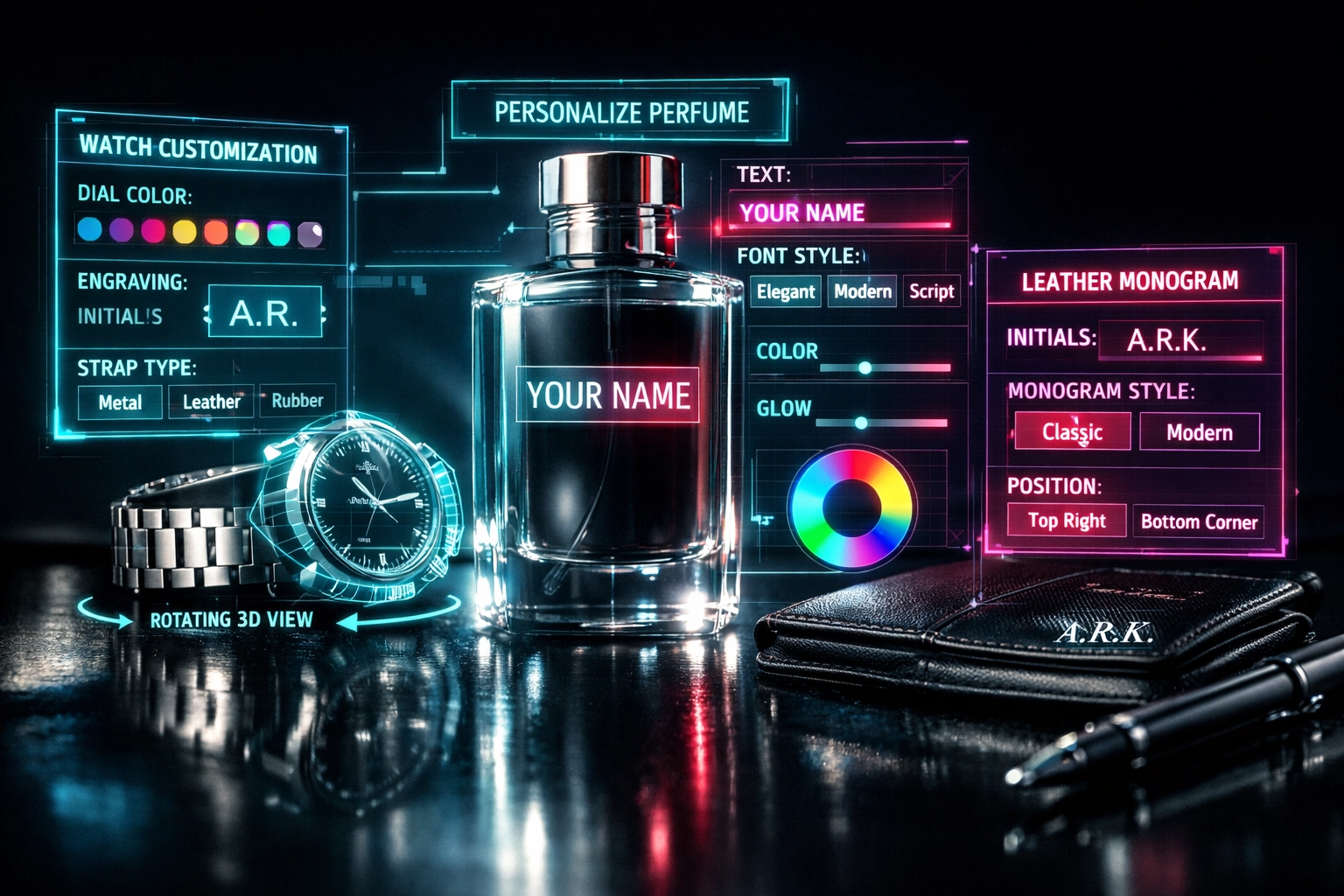
Think about what happens when customers can truly personalize their purchases. Data shows that customized products lead to higher satisfaction, fewer returns, and stronger brand loyalty. Return rates drop by up to 30% when customers have real-time visualization of their custom products, a crucial consideration for luxury items with significant price points.
This level of customization requires infrastructure that templates simply cannot provide. Custom ecommerce website development Dubai enables brands to build product configurators, virtual try-on features, and augmented reality experiences tailored to specific product categories. A haute couture retailer needs different customization tools than a luxury furniture brand, yet both require sophisticated technical solutions that reflect their unique positioning.
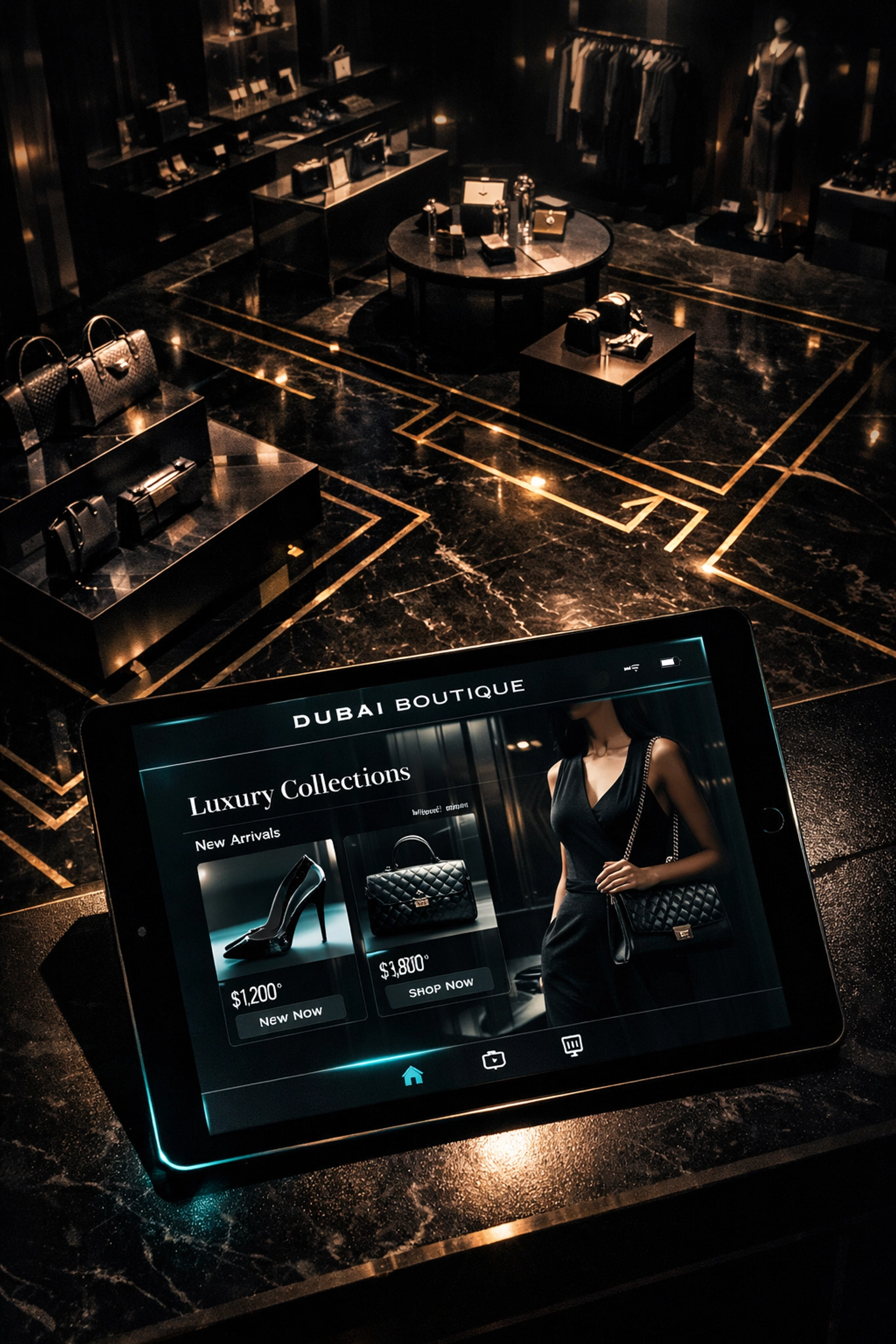
The investment in custom UI/UX design services pays dividends across the entire customer lifecycle. Navigation becomes intuitive based on how your specific audience shops. Product pages highlight the information your customers actually care about. Checkout flows eliminate friction points that cause cart abandonment. Every interaction reinforces your brand identity rather than revealing the template underneath.
The Local Market Imperative
Dubai's e-commerce landscape presents unique challenges that generic solutions struggle to address. The market demands Arabic language support that goes beyond simple translation, it requires right-to-left design considerations and cultural sensitivity in imagery and messaging. Payment integration must include Tabby, Spotii, and other regional installment options that resonate with local shopping preferences.
Consider seasonal fluctuations around Ramadan, Eid, and Dubai Shopping Festival. Custom platforms allow dynamic adjustments to site functionality, promotional mechanics, and inventory displays that templates handle clumsily at best. When your competitors are locked into rigid frameworks, your ability to pivot quickly becomes a significant competitive advantage.
The technical infrastructure matters too. Hosting considerations for optimal performance in the GCC region, compliance with local data regulations, and integration with regional logistics providers, these aren't nice-to-haves for serious luxury retailers operating in Dubai. They're fundamental requirements that custom development addresses from the ground up.
"In luxury retail, your digital presence isn't just another sales channel, it's an extension of your brand promise. When that promise means excellence, compromise isn't an option."
Moving Beyond the Template Trap
As you evaluate your current e-commerce platform, ask yourself whether it's actually serving your brand or simply meeting minimum viable requirements. Are you able to implement the personalization features your customers expect? Can you create the seamless omnichannel experiences that define modern luxury retail? Does your platform enable the rapid iteration and testing that drives continuous improvement?

If the answer to any of these questions is no, you're leaving revenue on the table. The brands seeing exponential growth in Dubai's luxury sector aren't the ones with the most expensive templates: they're the ones investing in bespoke solutions that align perfectly with their customer needs and business objectives.
The shift toward custom website development reflects a broader recognition that digital excellence requires the same attention to detail as physical retail environments. Your flagship store wouldn't use the same layout as your competitors. Your e-commerce platform shouldn't either.
The Path Forward
Templates served a purpose when e-commerce was new and brands were experimenting with digital channels. But we're long past that exploratory phase. Today's luxury consumers expect digital experiences that rival or exceed physical shopping, and templates simply cannot deliver that level of sophistication.
The brands thriving in Dubai's competitive luxury market share a common characteristic: they've recognized that their digital presence requires the same strategic investment as any other brand touchpoint. They understand that custom development isn't an expense: it's a strategic asset that compounds returns over time through higher conversions, improved customer loyalty, and operational efficiencies.
Start by honestly assessing whether your current platform serves your brand or constrains it. Examine your conversion data, customer feedback, and competitive positioning. Calculate the opportunity cost of maintaining a templated approach versus investing in a bespoke solution tailored to your specific needs.
The question isn't whether cookie-cutter templates are dead: it's whether you can afford to keep using them while your competitors pull ahead with custom solutions designed for excellence. In Dubai's luxury market, that's a question with increasingly obvious answers.
Your digital storefront represents your brand to customers who may never visit your physical location. Make sure it's telling the story you actually want to tell, not the one a template decided for you.
Leave a Reply