
Remember when websites were just digital brochures? Those days are officially over. Your website in 2026 isn't just sitting there looking pretty: it's learning, adapting, and making decisions in real time. We're talking about a fundamental shift from static pages to intelligent systems that actually think about your users.
The future isn't coming: it's already here. And if you're still treating your website like a set-it-and-forget-it business card, you're leaving serious money on the table.
The Rise of Self-Optimizing Systems
Start by understanding what "self-optimizing" actually means. Your website is now capable of analyzing user behavior, identifying patterns, and adjusting itself without you lifting a finger. Think of it as having a digital employee who works 24/7, constantly A/B testing layouts, tweaking content placement, and refining the user journey based on real data.
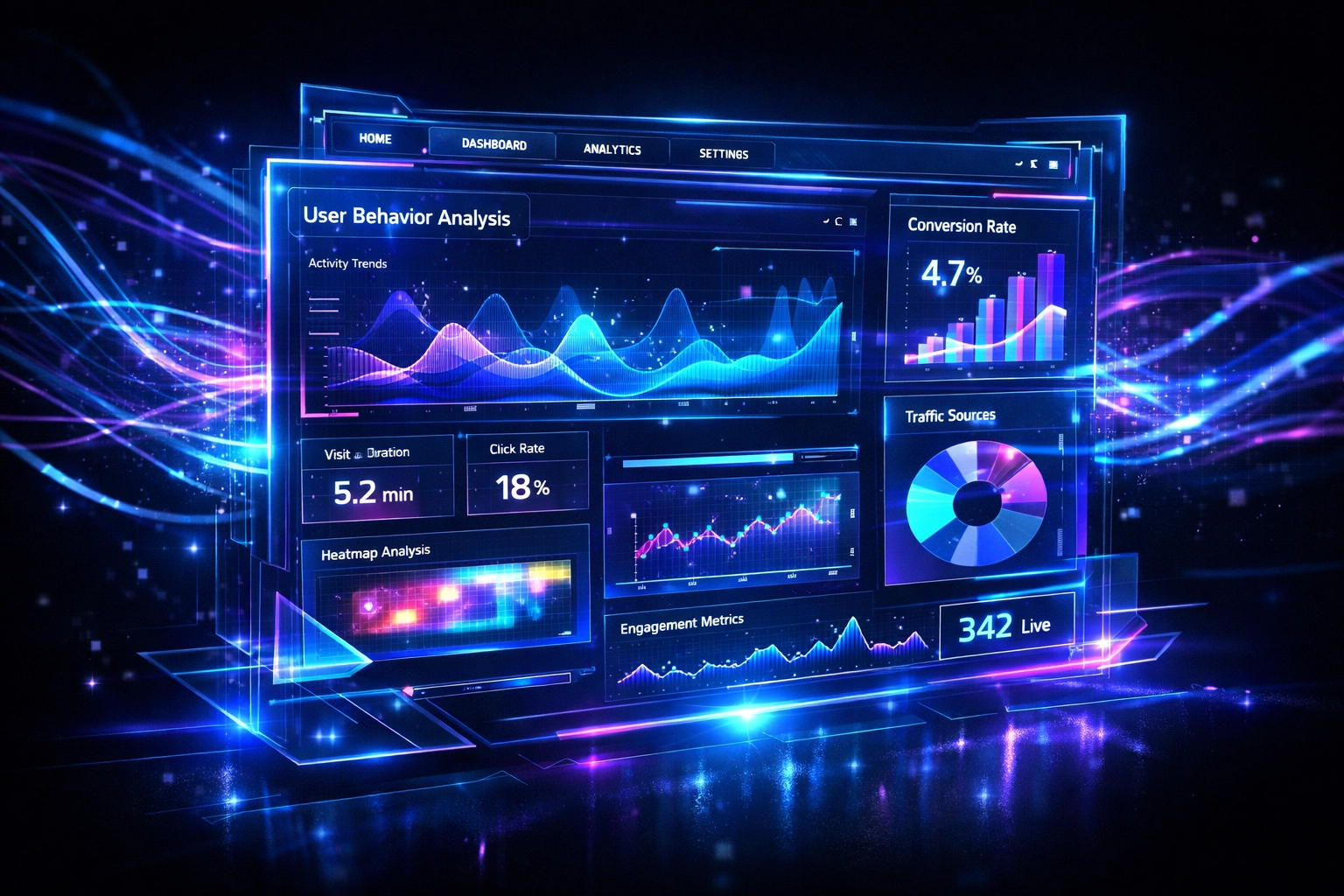
Here's the shift: traditional websites required you to manually update, test, and optimize. You'd hire a developer, make changes, wait weeks to see results, then repeat. Self-optimizing sites flip this script entirely. Machine learning algorithms monitor every click, scroll, and hesitation. When they detect friction: maybe users are bouncing from a particular section: the system automatically tests alternatives and implements the winner.
This isn't sci-fi speculation. Major platforms are already using these systems to increase conversions by double digits. The technology learns which headlines resonate with different audience segments, which images drive engagement, and even what time of day to display specific calls-to-action. Your website becomes a living entity that gets smarter with every visitor.
For Dubai businesses competing in saturated markets, this intelligence gap becomes your competitive advantage. While your competitors manually guess at optimization, your site is learning and evolving autonomously.
Predictive UI: Reading Minds Before Users Click
Predictive user interfaces sound futuristic, but you've already experienced them without realizing it. Ever noticed how Netflix seems to know what you want to watch, or how Amazon surfaces products you didn't know you needed? That same technology is now powering website interfaces.
The core principle is anticipation. Rather than waiting for users to tell you what they want, predictive UI analyzes behavior patterns and serves relevant content before they ask. Scroll patterns reveal interest levels. Mouse movements indicate hesitation. Time spent on specific sections signals deeper engagement. The system processes these micro-behaviors in milliseconds and responds accordingly.
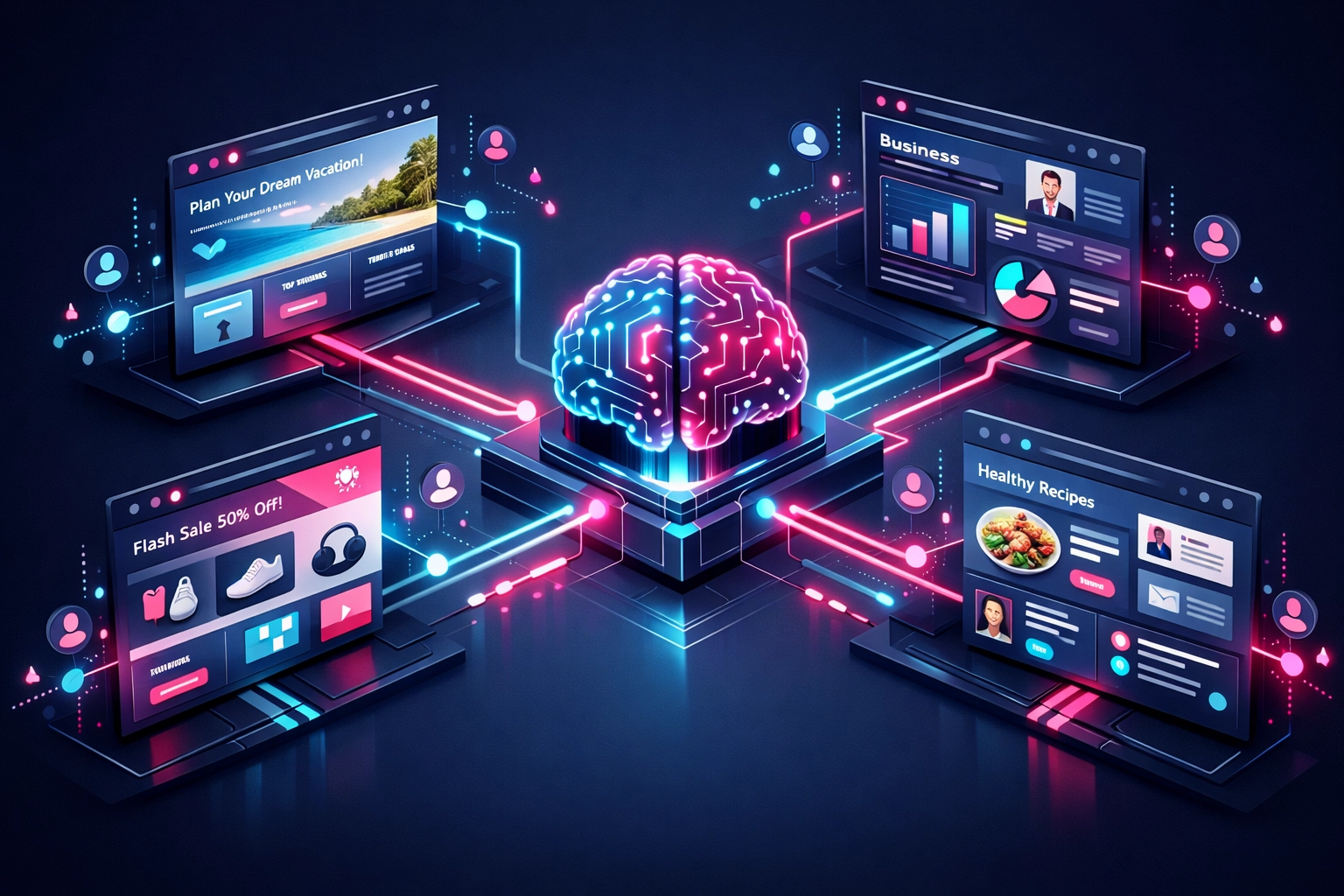
Here's what this looks like in practice: A first-time visitor from Dubai interested in e-commerce solutions lands on your homepage. The predictive UI instantly recognizes they're a new visitor (not a returning customer), identifies their geographic location, and detects they arrived via a search for "custom e-commerce platforms." Within seconds, the interface adapts: highlighting relevant case studies from UAE businesses, surfacing pricing information earlier in the journey, and adjusting the navigation to emphasize e-commerce services.
The magic happens when the system learns individual preferences. A returning visitor who previously engaged with blog content about headless CMS will see an interface weighted toward educational resources. Someone who downloaded a pricing guide gets fast-tracked toward conversion-focused pages. The website literally reconstructs itself for each user.
This level of personalization doesn't just improve user experience: it transforms how visitors perceive your brand. When your website feels like it "gets them," trust builds instantly. That 94% of first impressions being design-driven? Predictive UI ensures every impression is optimized for that specific person at that specific moment.
Intelligent Automation: Beyond Chatbots
Forget everything you know about clunky chatbots that frustrate more than they help. Intelligent automation in 2026 has evolved into proactive systems that anticipate needs and solve problems before users articulate them. These aren't scripted robots: they're conversational agents with genuine utility.
Modern AI assistants on websites function more like experienced sales consultants than automated response systems. They analyze the page you're viewing, understand your journey through the site, and initiate conversations at precisely the right moment with contextually relevant information. If you're comparing service packages, the assistant might proactively explain key differences. If you've spent time on a technical blog post, it offers to connect you with specialists.
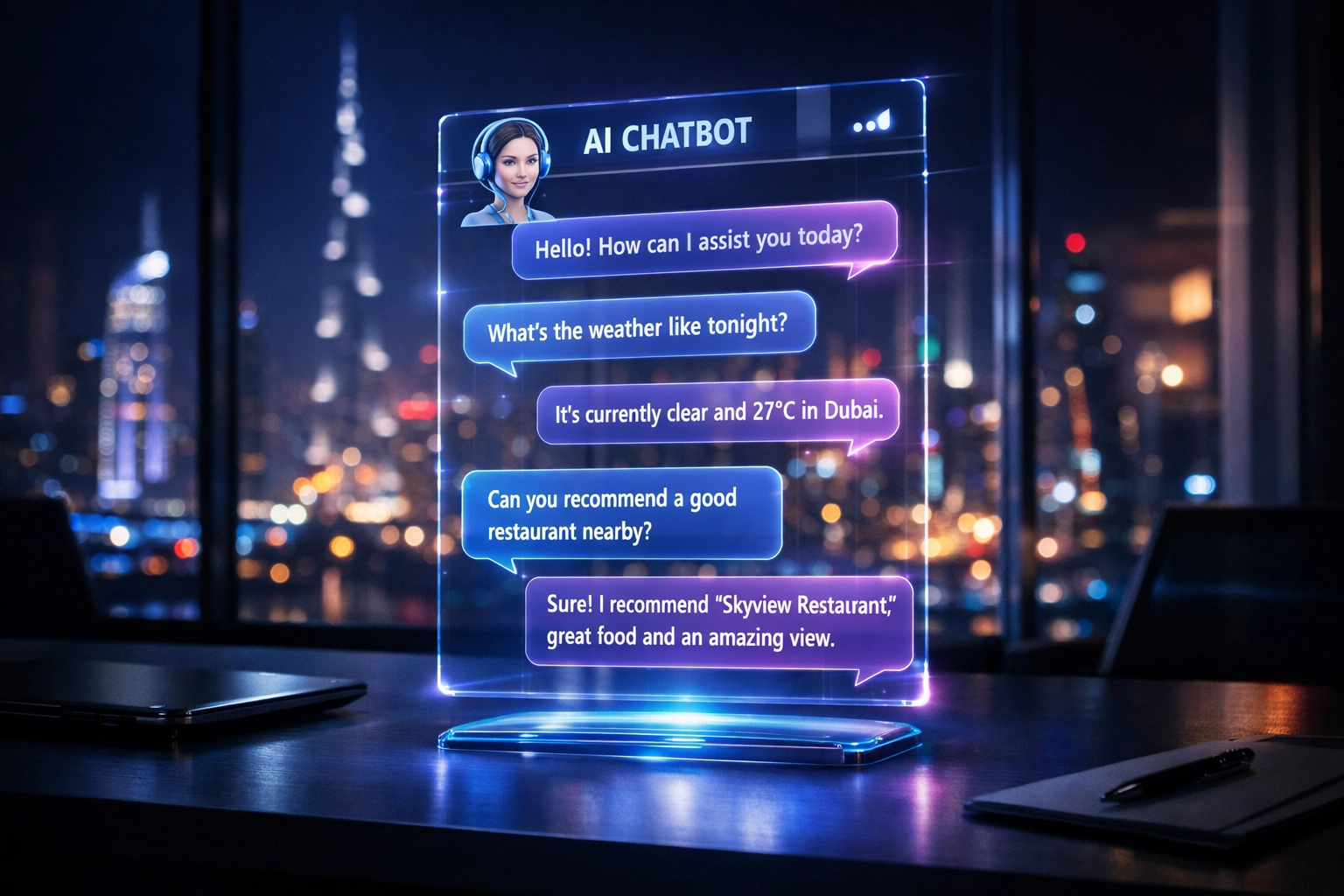
The automation extends far beyond chat interfaces. Intelligent systems now handle complex multi-step processes: qualifying leads, scheduling consultations, providing personalized recommendations, and even conducting preliminary discovery calls. The technology processes natural language so effectively that users often don't realize they're interacting with automation until the conversation seamlessly transitions to a human specialist.
What makes this particularly powerful for businesses is the learning component. Every interaction trains the system to handle future conversations more effectively. Common objections get addressed preemptively. Frequently asked questions evolve based on actual user queries rather than your assumptions. The system builds institutional knowledge automatically.
Consider the efficiency gains: your intelligent automation handles routine inquiries 24/7, qualifies prospects while you sleep, and ensures no lead falls through the cracks. Human team members focus exclusively on high-value interactions where expertise and relationship-building matter most. It's not about replacing your team: it's about amplifying their impact.
Immersive Experiences That Actually Serve Strategy
We need to address the elephant in the room: 3D elements and immersive design have been hyped for years, usually resulting in slow-loading gimmicks that frustrate users. The future of intelligent website design gets this right by making immersive elements functional rather than decorative.
Strategic immersion means every visual element serves a purpose. Interactive 3D product configurators let customers visualize customization options in real time. Scroll-triggered animations guide attention through complex information hierarchies. Augmented reality previews allow prospects to "experience" services before purchasing. These aren't flashy add-ons: they're conversion tools disguised as engaging experiences.
The intelligence component ensures these elements load instantly and adapt to device capabilities. Your high-end desktop experience might include full 3D rendering, while mobile users get optimized alternatives that deliver similar impact without the performance hit. The system knows when to dial back complexity based on connection speeds and processing power.
For luxury brands and premium service providers: precisely the Dubai market where Tadween Space operates: immersive design becomes brand differentiation. Your competitors show static images; you let prospects interact with lifelike prototypes. They describe services with bullet points; you craft narrative experiences that emotionally connect prospects to outcomes. This psychological dimension of design transforms how people perceive value and make purchasing decisions.
What This Means for Your Business Today
You might be thinking this all sounds expensive or complicated. Here's the reality: the technology powering intelligent website design has become increasingly accessible. The question isn't whether you can afford to implement these systems: it's whether you can afford not to.
Start by auditing your current website through the lens of intelligence. Does your site learn from user behavior, or does every visitor get the identical experience? Can your interface adapt based on context, or is it rigidly static? Is your automation genuinely helpful, or merely present? These questions reveal where you're leaving opportunity on the table.
The businesses winning in 2026 aren't necessarily those with the biggest budgets. They're the ones who understand that websites have evolved from digital brochures into revenue engines that think, adapt, and optimize autonomously. Your website should work for your business, not just represent it.
"The future belongs to websites that don't just respond to users: they anticipate needs, personalize experiences, and continuously evolve to serve business objectives better."
Building Your Intelligent Future
The transformation toward intelligent website design isn't a distant possibility: it's the current standard for businesses serious about digital growth. Self-optimizing systems, predictive interfaces, and smart automation have moved from experimental to essential.
Your next step is evaluating where your current digital presence stands. Are you leveraging the technologies that let websites learn and adapt? Is your user experience personalized or generic? Does your automation genuinely enhance the customer journey? These aren't rhetorical questions: they're strategic imperatives that directly impact your bottom line.
The businesses that thrive over the next few years won't be those with the most complex technology stacks. They'll be the ones who thoughtfully implement intelligent systems that align with their specific audiences and objectives. Whether you're serving Dubai's luxury market, targeting B2B decision-makers, or building an e-commerce empire, the principles remain consistent: learn from users, adapt in real time, and optimize continuously.
The future of intelligent website design is here. The only question is whether you're ready to embrace it.
Leave a Reply