
The web development landscape in 2026 has shifted dramatically from template-based solutions to intelligent, bespoke architectures: and nowhere is this more evident than in Dubai's premium digital ecosystem. If you're building or redesigning a high-end website this year, understanding these trends isn't optional. It's the difference between a digital presence that merely exists and one that commands attention, drives conversions, and scales with your ambitions.
Let's explore the trends reshaping tailored web development, particularly for brands that refuse to settle for ordinary.
AI-First Development: Beyond Automation to True Intelligence
Begin by rethinking what "custom development" means in 2026. AI-first development isn't about replacing developers: it's about augmenting their capabilities to create genuinely personalized digital experiences. Rather than manually coding every UI variation, development teams now deploy AI agents that generate adaptive interfaces, modify content in real-time based on user behavior, and create unique journeys for different audience segments.
For Dubai's luxury retail and premium service sectors, this translates to websites that learn. Your e-commerce platform can now automatically adjust product recommendations based on browsing patterns, customize checkout flows for VIP clients, and even modify visual hierarchies to match individual preferences. This is where bespoke meets intelligent: creating experiences that feel handcrafted for each visitor without the manual overhead.

The strategic advantage here isn't just efficiency. AI-first approaches free your development team to focus on architecture, user experience strategy, and the creative problem-solving that templates can never address. This matters profoundly when you're competing in markets where differentiation is everything.
Headless CMS & API-Driven Architecture: Content Without Boundaries
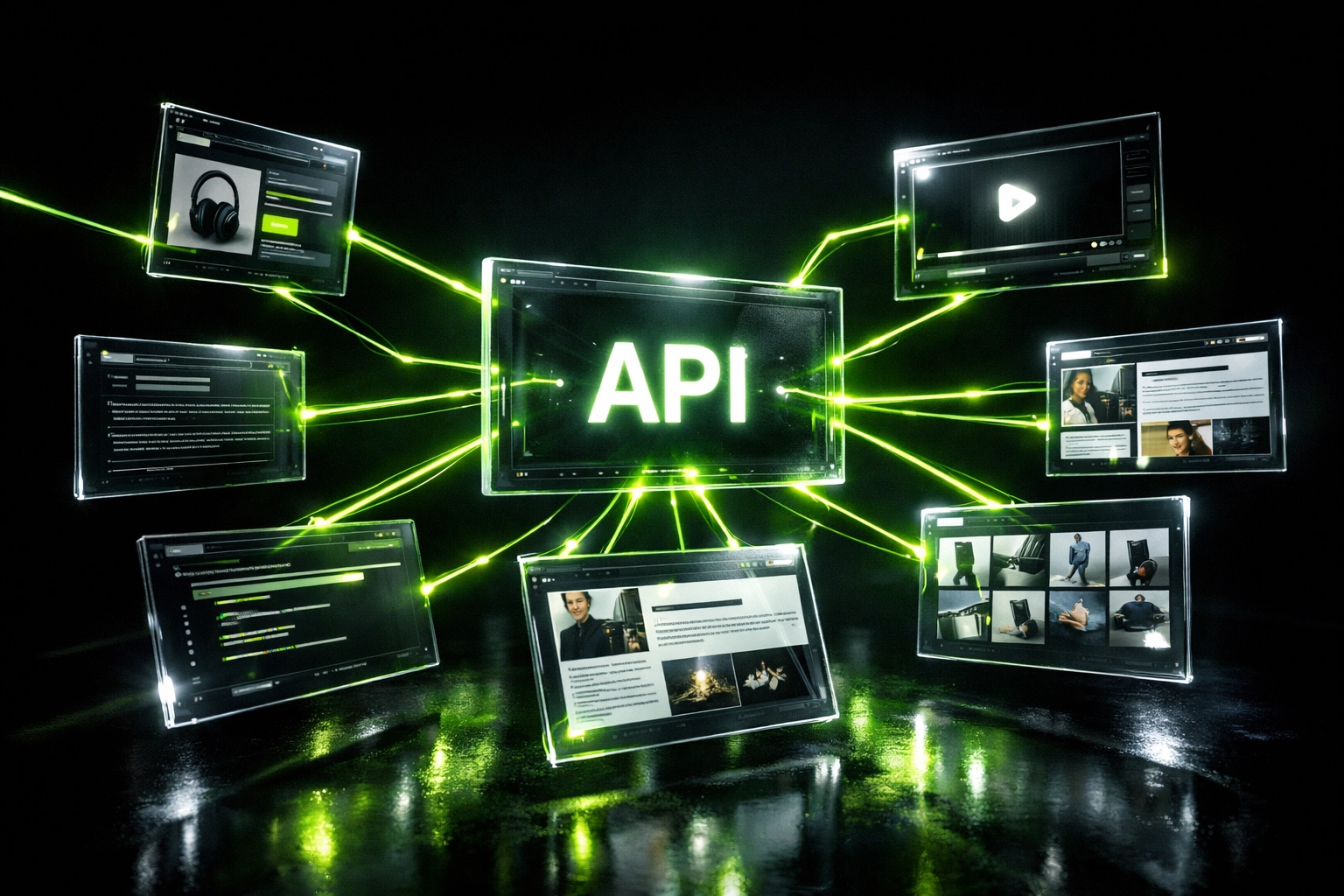
Use headless CMS architecture to decouple your content from presentation layers entirely. This trend has matured from buzzword to baseline expectation for premium web projects. The advantage becomes clear when you consider how Dubai's international brands operate: one central content hub feeding your website, mobile app, in-store displays, and even voice-activated smart devices.
Traditional CMS platforms lock your content into specific templates and structures. Headless architecture liberates it. Your content team creates once, and that content flows seamlessly across every digital touchpoint, maintaining brand consistency while adapting to each platform's unique requirements.
For businesses targeting both local Emirati audiences and international clients, this architecture enables multilingual content management that's genuinely sophisticated: not just translated, but culturally adapted at the delivery layer. Your API becomes the single source of truth, while your various front-ends optimize for their specific contexts.
Component-Driven Design Systems: The Foundation of Scalable Bespoke Design
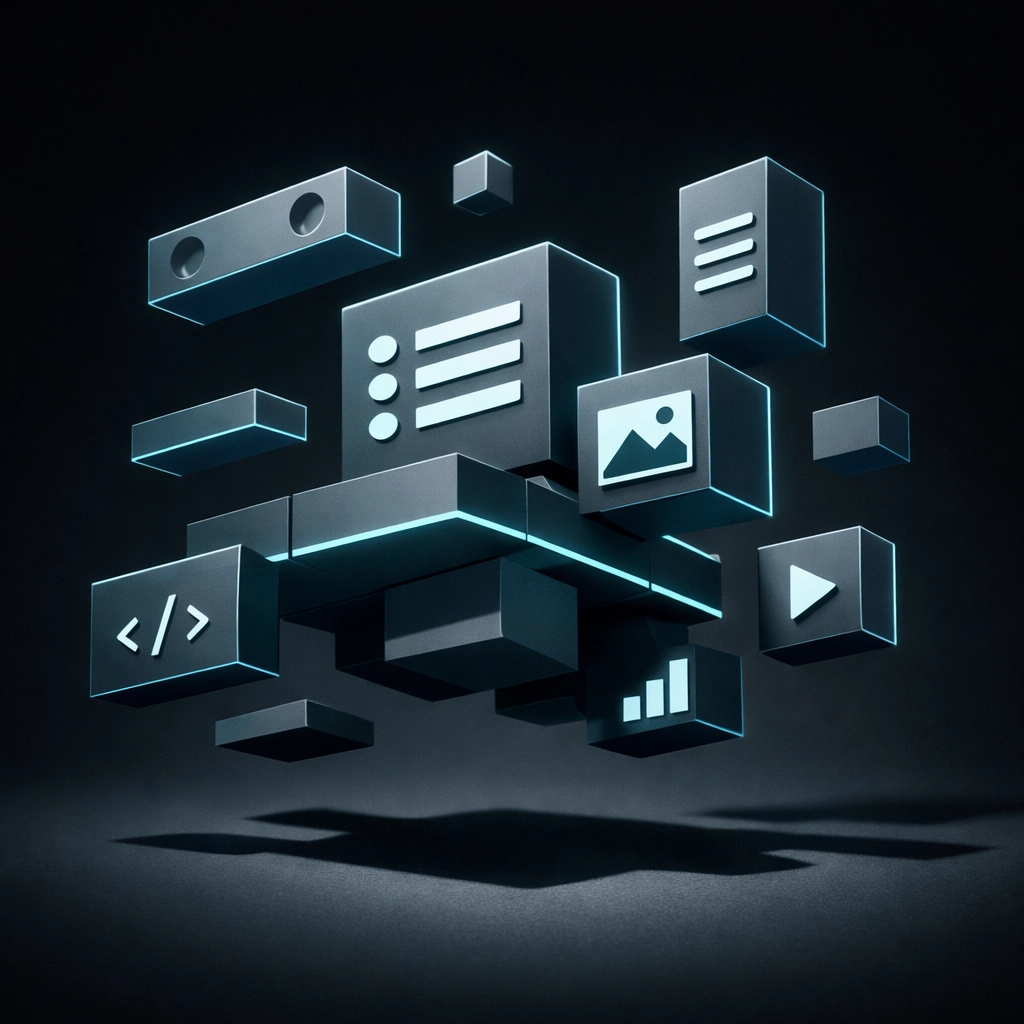
Move beyond designing individual pages to building comprehensive design systems. This approach has become the standard for professional web projects that need to scale without sacrificing brand cohesion. Rather than creating each section from scratch, you construct libraries of reusable, customizable interface components that work seamlessly across your entire digital presence.
For premium brands, this means your visual identity remains absolutely consistent: from your homepage hero to your checkout flow to your customer portal. Every button, form field, card layout, and navigation element follows the same refined design language. But here's the crucial distinction from templates: these components are built specifically for your brand, with your exact specifications, animation preferences, and interaction patterns baked in.
Component-driven systems also accelerate iteration. When you refine a component in your design system, that refinement propagates across every instance automatically. For businesses launching new products or campaigns regularly, this agility is invaluable. You can deploy new landing pages or campaign microsites in days, not weeks, while maintaining the bespoke quality your brand demands.
Edge Computing: Delivering Premium Experiences at Light Speed
Understand that performance is no longer just about page load times: it's about delivering sophisticated application logic with minimal latency. Edge deployment has expanded beyond simple content delivery to include running actual application code closer to your users. For Dubai-based businesses serving both local and international audiences, this architectural shift changes what's possible.
Your website can now execute personalization logic, process forms, and even run complex calculations at the network edge: within milliseconds of the user's location. This matters tremendously for high-end e-commerce, where every fraction of a second in load time correlates directly with conversion rates. When your competition is running on shared servers thousands of miles away, your edge-deployed application feels instantaneous.
The technical implication is that "edge awareness" has become a core frontend skill. Your development team needs to architect applications that can intelligently distribute processing between the edge, your servers, and the client device. This level of sophistication is precisely where tailored development outpaces templates: you're not constrained by platform limitations.
Meta-Frameworks: Professional-Grade Foundation Without the Infrastructure Overhead
Start your next project with meta-frameworks as the baseline architecture. Platforms like Next.js and Nuxt have evolved from conveniences to necessities for sophisticated web applications. They abstract away the complexity of configuring routers, bundlers, and deployment pipelines while naturally supporting the advanced features that bespoke experiences require.
For custom projects, these frameworks provide the foundation for server-side rendering, progressive enhancement, streaming responses, and API routes without manual configuration. This allows your team to focus on what makes your application unique rather than reinventing infrastructure that's already solved.
"The most sophisticated websites in 2026 aren't the ones with the most complex code: they're the ones that use intelligent architecture to make complexity invisible to the user."
Pair meta-frameworks with end-to-end TypeScript adoption, and you create development workflows that scale reliably as your application grows. Shared types between frontend and backend codebases catch errors before they reach production, enable safer refactoring, and dramatically reduce the coordination overhead between team members. For premium projects where quality is non-negotiable, this type safety is essential.
Hybrid Styling: Modern CSS Meets Utility-First Efficiency
Embrace hybrid styling approaches that combine utility-first workflows with native CSS features. This trend represents the maturation of how sophisticated teams approach design implementation. Instead of choosing between traditional CSS architectures or utility frameworks, the modern approach leverages both strategically.
Your design system's foundation uses utility classes for rapid development and consistent spacing, typography, and color application. But for complex, branded components and animations, you employ modern CSS features like container queries, cascade layers, and custom properties to create truly bespoke presentations that respond intelligently to their context.

For luxury brands and premium service providers, this hybrid approach delivers the best of both worlds: development efficiency that keeps projects on time and on budget, plus the visual sophistication that off-the-shelf solutions simply cannot match. Your checkout experience, product configurators, and interactive storytelling elements can be as unique as your brand identity demands.
Security Integration: Protection as a Development Principle
Incorporate enhanced security from the first line of code. The trend in 2026 isn't about adding security as an afterthought: it's about integrating static analysis, real-time vulnerability scanning, and framework-level security features throughout your development workflow. For businesses handling customer data, payment information, or privileged access systems, this approach is non-negotiable.
Modern frameworks now include built-in protections against common vulnerabilities, with clearer development warnings and tighter integration between your code and security scanning tools. Your custom application can catch potential issues during development rather than discovering them after launch. For Dubai's highly regulated industries: fintech, healthcare, luxury e-commerce: this level of security awareness separates professional implementations from amateur attempts.
Building Your Future-Ready Digital Presence
The trends shaping tailored web development in 2026 share a common thread: they enable unprecedented levels of personalization, performance, and sophistication without sacrificing development efficiency. For businesses competing in Dubai's premium markets, these aren't just nice-to-have features: they're the table stakes for digital experiences that match your brand's positioning.
As you plan your next website project or digital transformation, consider how these architectural approaches align with your specific business goals. The most impactful digital presences aren't built by following trends blindly: they're crafted by selecting the right technologies for your unique requirements and implementing them with expertise.
If you're ready to explore how these trends can transform your digital presence, connect with our team to discuss bespoke solutions designed specifically for your market and ambitions.
Leave a Reply