
Your luxury brand's online presence shouldn't feel like a digital catalog with a checkout button. Yet that's exactly what most high-end retailers in Dubai are settling for: template-driven e-commerce platforms that treat a Dhs 50,000 watch the same way they'd handle a Dhs 50 t-shirt. Your customers expect more. They deserve more. And frankly, your brand requires more.
A digital flagship isn't just a fancier term for a website. It's an entirely different philosophy: one that recreates the sensory richness, emotional engagement, and exclusive experience of your physical boutique in the digital realm. While standard e-commerce platforms push visitors toward transactions, digital flagships invite them into experiences. Here's why that distinction matters more than ever for luxury retailers in the UAE market.
1. Intentional Pacing Transforms Browsers Into Believers
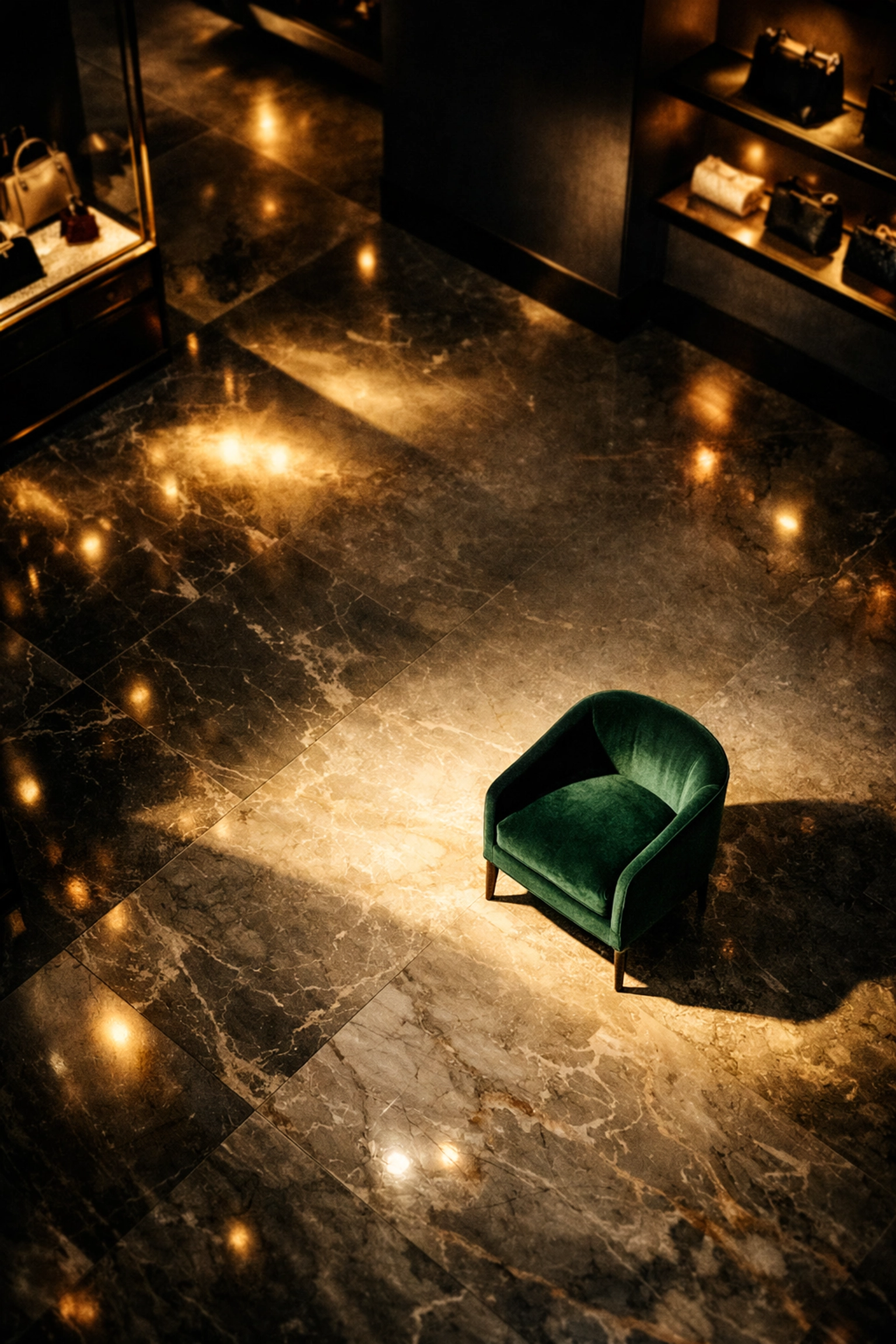
Walk into any luxury boutique on Dubai Mall's Fashion Avenue, and you'll notice something immediately: the space doesn't rush you. The layout encourages lingering. The lighting invites examination. Every detail whispers "take your time."
Standard e-commerce websites do the opposite. They're optimized for speed: quick navigation, rapid product browsing, instant checkout. That approach works beautifully for fast fashion and everyday purchases. For luxury goods? It's a disaster.
A digital flagship uses deliberate pacing through generous negative space, intentional scrolling rhythms, and content reveals that mirror the experience of turning pages in a beautifully bound coffee table book. Your customer shouldn't sprint through your collection. They should savor it. This pacing isn't about slowing conversions: it's about deepening emotional connections that lead to higher-value purchases and stronger brand loyalty.
2. Adaptive Environments Respond to Individual Behavior
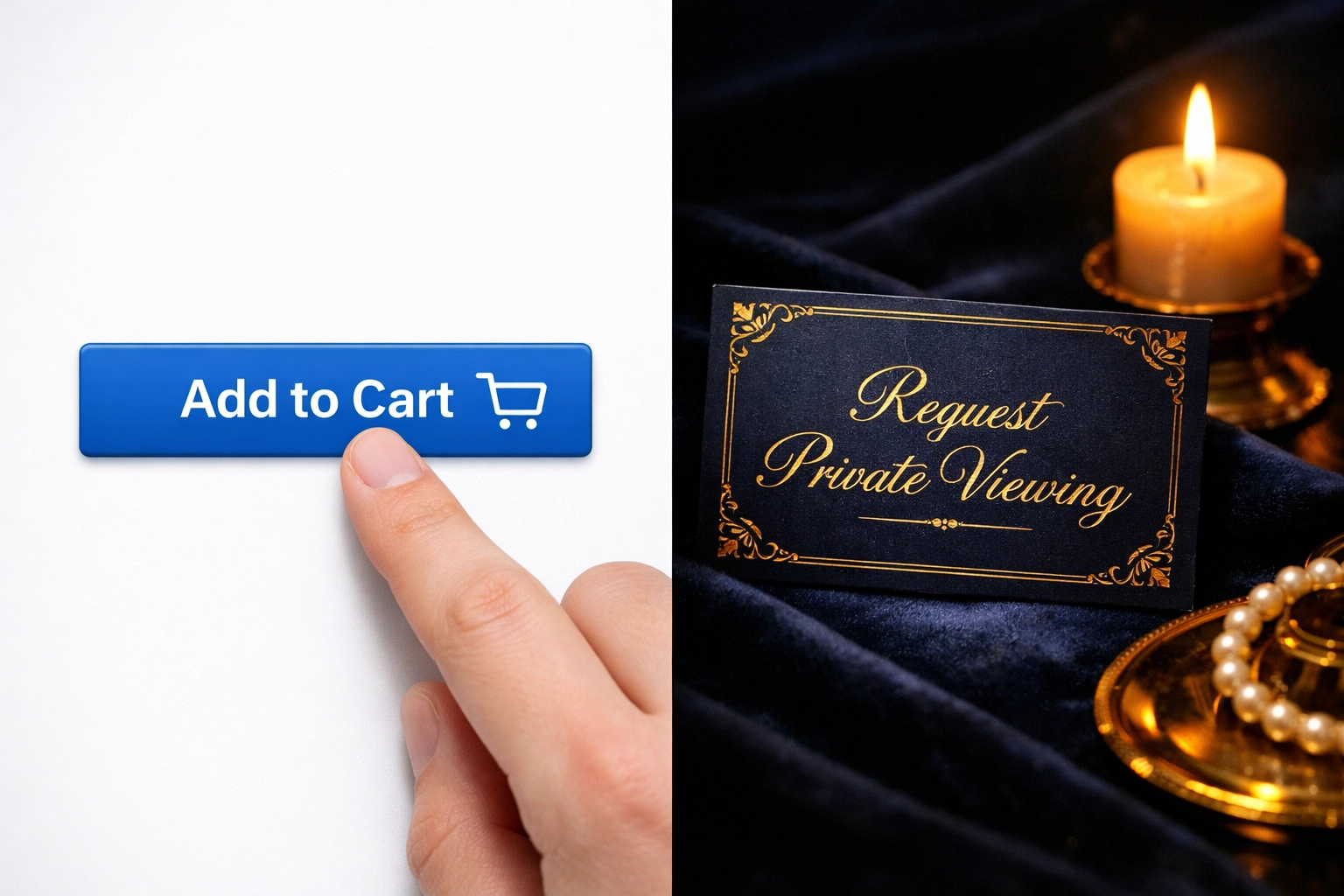
Here's where custom website development separates luxury experiences from generic ones. A true digital flagship doesn't just display products: it observes, learns, and adapts to each visitor's behavior in real-time.
If a customer lingers over craftsmanship details, the interface intelligently highlights artisanship stories and heritage content. If they gravitate toward contemporary designs, the aesthetic subtly shifts to emphasize innovation and modernity. This isn't about invasive tracking: it's about respectful attentiveness, the same quality your best sales associates demonstrate in physical boutiques.
Template-based platforms can't offer this level of personalization because they're built for mass-market efficiency, not individual relationships. When you invest in custom website development, you're building technology that serves your brand's unique positioning rather than forcing your brand into someone else's framework.
3. Curated Calls-to-Action Preserve Brand Positioning
The language of luxury doesn't include "Add to Cart" or "Buy Now." These transactional phrases work perfectly for commodity e-commerce, but they're poison for premium positioning.
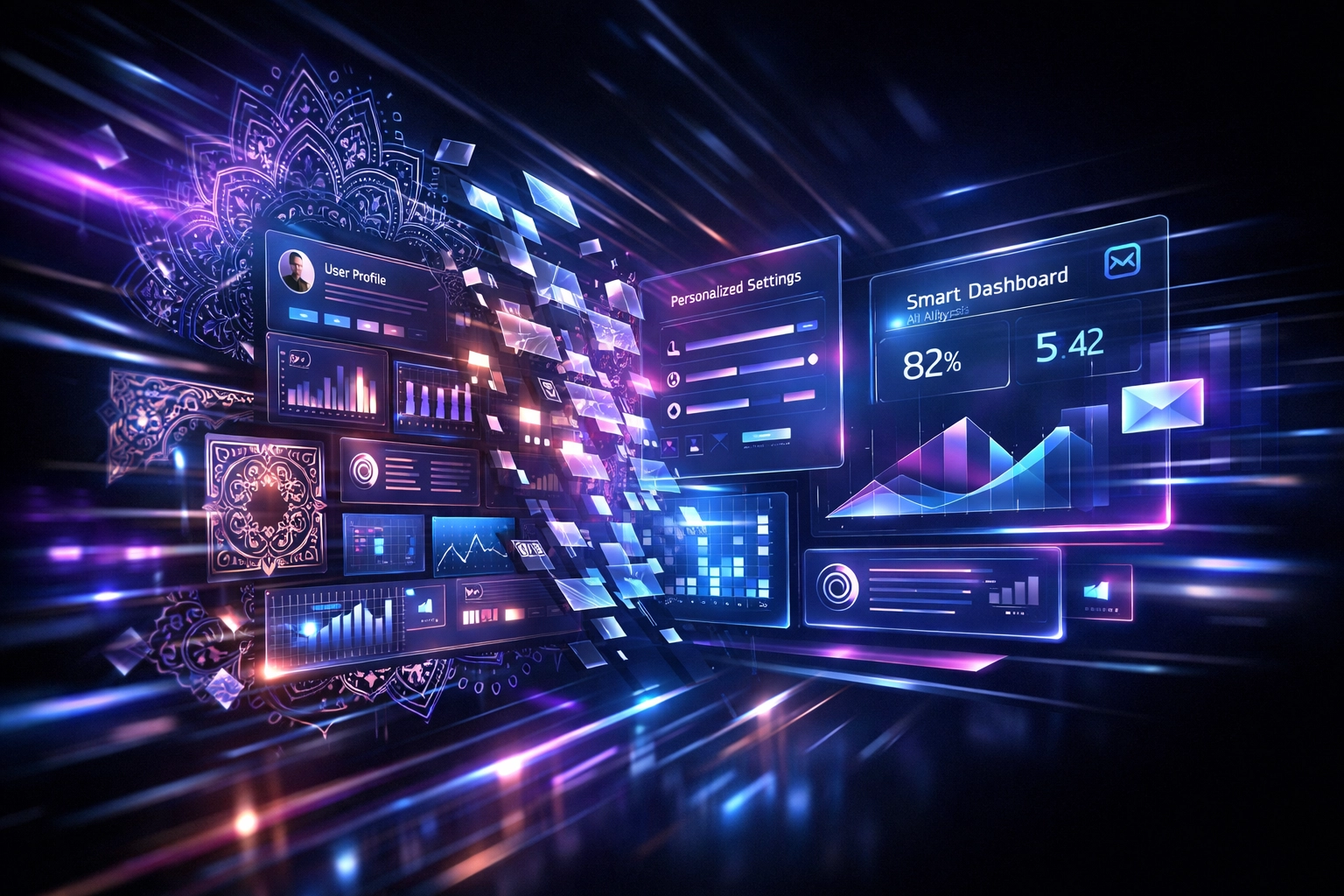
Digital flagships use subtle, curated calls-to-action that align with exclusivity: "Request Availability," "Schedule a Private Viewing," "Reserve Your Piece," or "Arrange a Consultation." This isn't semantic gymnastics: it's strategic positioning that maintains brand integrity throughout the purchase journey.
When you're selling experiences and exclusivity, every interaction point must reinforce that promise. Generic e-commerce platforms force you into their conversion optimization playbook, which was written for volume sales, not value sales. Bespoke ecommerce website development Dubai specialists understand this distinction and build experiences that convert without compromising.
4. Invisible Technology Amplifies Emotion
The most sophisticated technology is the technology you don't notice. In luxury retail, technical prowess should enhance emotional resonance, never distract from it.
Digital flagships integrate AI-assisted curation, advanced search functionality, and intelligent recommendation engines: but these systems work silently in the background. Your customer sees flawless performance, intuitive navigation, and seemingly magical product suggestions. They don't see API calls, database queries, or algorithm outputs.
Standard platforms often expose their technical limitations through clunky interfaces, visible loading states, and obvious automation. A custom-built digital flagship makes technology serve artistry, ensuring every technical element amplifies the emotional experience rather than interrupting it.
5. Multisensory Design Recreates Boutique Ambiance
Your physical boutique engages multiple senses: the visual impact of thoughtful design, the tactile pleasure of premium materials, the acoustic atmosphere of curated soundscapes, even the subtle fragrance that becomes part of your brand memory.
Standard websites are primarily visual, occasionally incorporating basic interactivity. Digital flagships pursue multisensory richness through cinematic visuals, subtle audio cues, tactile feedback through haptics and micro-interactions, sophisticated animation that mirrors physical movement, and intuitive rhythm that feels natural rather than mechanical.
This is where expert ui ux design services make their most significant impact. Creating digital experiences that evoke sensory responses requires deep understanding of both design psychology and technical implementation. It's not about adding bells and whistles: it's about crafting moments that resonate emotionally.
6. Seamless Omnichannel Integration Extends Your Ecosystem
Luxury customers don't think in channels. They think in journeys that might begin with Instagram inspiration, continue with website exploration, pause for an in-store consultation, resume with a private appointment request, and conclude with a purchase that gets delivered with white-glove service.
Digital flagships don't exist in isolation: they're central hubs in comprehensive brand ecosystems. They integrate seamlessly with physical boutiques, pop-up experiences, virtual showrooms, personal shopping services, and after-purchase relationship programs.
This omnichannel continuity is nearly impossible to achieve with template platforms that treat online and offline as separate universes. Custom development allows you to build true phygital integration where a customer's digital journey informs their in-store experience and vice versa. Your sales associates can see browsing history, save preferences, and continue conversations that began online: creating the continuity that defines luxury service.
7. Brand Narrative Reinforces Exclusivity and Heritage
Template e-commerce platforms are built for product discovery and transaction completion. Digital flagships are built for storytelling and relationship development.
Every luxury brand has a story: heritage, craftsmanship, innovation, values, vision. Standard websites relegate these narratives to static "About Us" pages that few visitors read. Digital flagships weave brand stories throughout the entire experience, making heritage and values inseparable from product exploration.
This storytelling approach positions your brand as a destination rather than a marketplace. It transforms your digital presence from a sales channel into a brand experience that reinforces exclusivity even as it reaches global audiences. As luxury e-commerce continues its projected growth toward 25% of the total luxury market by 2025, this distinction becomes increasingly critical for maintaining premium positioning.
Building Your Digital Flagship
The gap between standard e-commerce websites and true digital flagships isn't about budget: it's about philosophy. It's the difference between digitizing transactions and reimagining luxury experiences for digital environments.
If your current online presence treats your brand like a digital catalog, you're not just missing opportunities: you're actively undermining your positioning. Luxury customers in Dubai and across the UAE expect digital experiences that match the sophistication of your physical presence. Anything less sends the wrong message about your brand's commitment to excellence.
The question isn't whether you can afford to build a digital flagship. It's whether you can afford not to. Every day your luxury brand operates with a standard e-commerce website is another day you're losing high-value customers to competitors who understand that luxury retail requires luxury experiences: online and offline.
Ready to transform your online presence from a website into a destination? Explore how Tadween Space approaches bespoke digital experiences for luxury brands that refuse to compromise.
Leave a Reply